
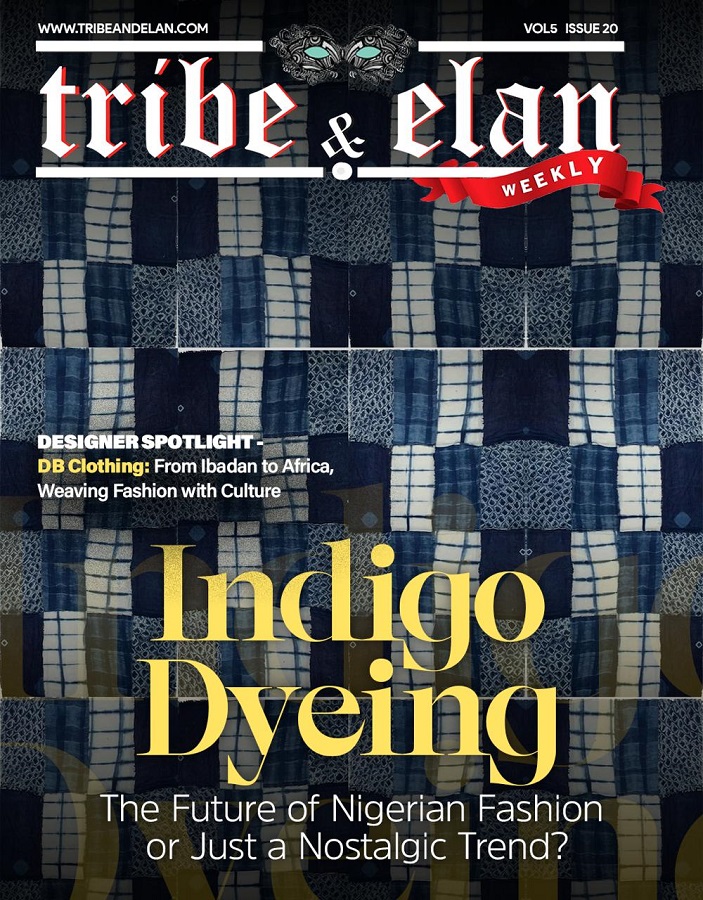
Is Indigo Dyeing the Future of Nigerian Fashion or Just a Nostalgic Trend?

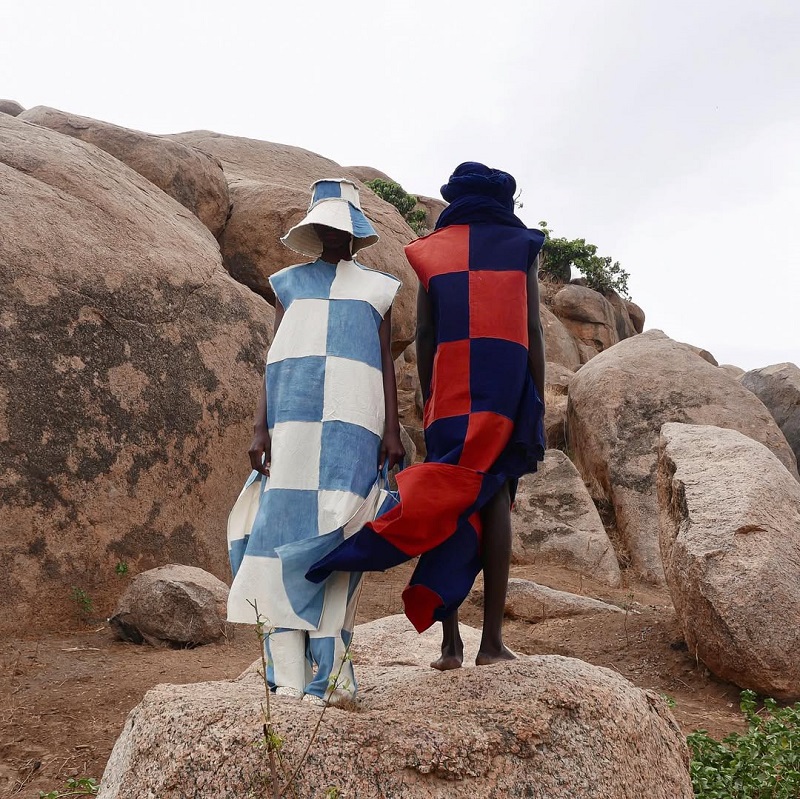
Indigo dyeing, one of the oldest textile arts in Nigeria, is witnessing a bold resurgence in the country’s contemporary fashion scene. Once the pride of Yoruba traditional attire and northern dye pits in Kano, indigo-dyed fabrics like adire and gara are now being reimagined by modern Nigerian designers—not just as cultural tokens but as luxury fashion statements.
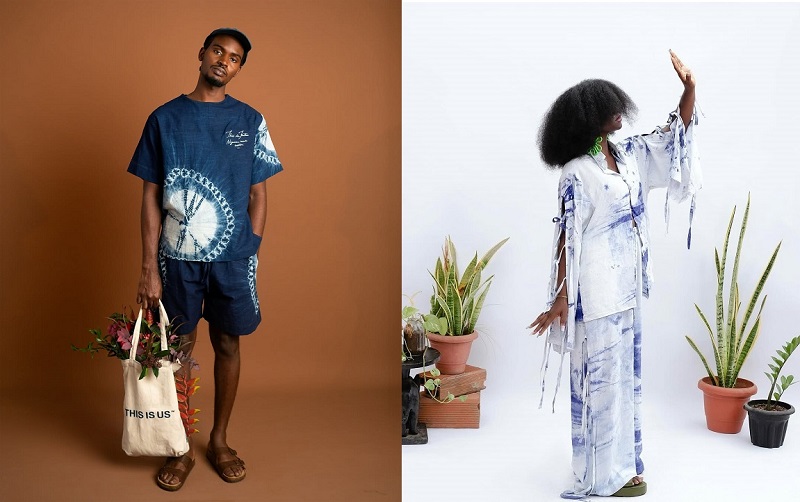
Fashion brands such as This Is Us, Liz & Co , Eki Kere, and Iamisigo are at the forefront of this renaissance. These brands are not only preserving indigenous techniques but are also repackaging them for a global audience. Their collections reflect a deep respect for heritage, while embracing minimalism, craftsmanship, and sustainability. This Is Us, for example, uses locally sourced cotton and traditional dyeing methods to create relaxed, high-quality garments with elevated price points. This is Us , Eki Kere and Iamisigo similarly celebrate hand-dyeing traditions through premium, artisanal pieces that connect past and present.
However, the question remains: is this revival the future of Nigerian fashion or simply a wave of cultural nostalgia?
The growing global interest in sustainable and ethical fashion aligns well with the core values behind indigo dyeing—slow production, natural materials, and cultural storytelling. For a younger generation seeking authenticity and connection, these brands offer more than clothes; they offer identity. Yet, the niche pricing may limit accessibility, raising concerns about elitism in a craft once common among everyday Nigerians.
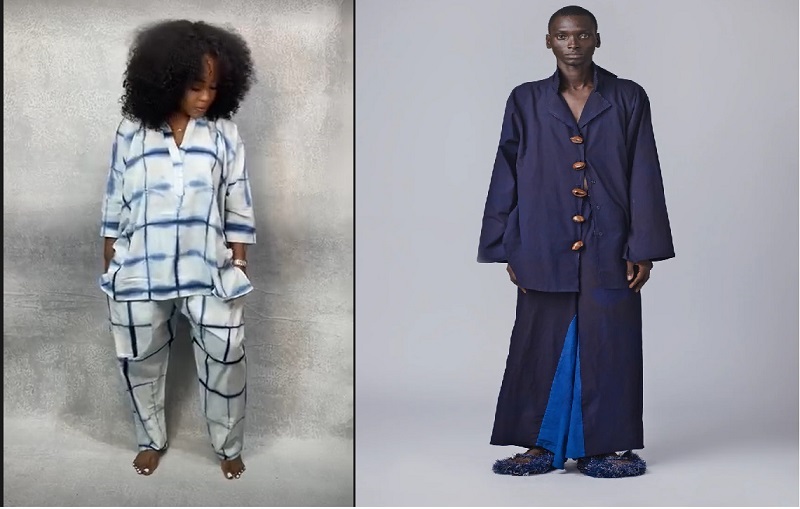
While it may have started as a nostalgic return to roots, the evolution of indigo dyeing in Nigerian fashion is pointing toward a more permanent shift—where heritage meets innovation. If designers continue to balance cultural reverence with modern appeal, indigo dyeing may not just be a passing trend but a cornerstone of Nigeria’s future fashion identity.