

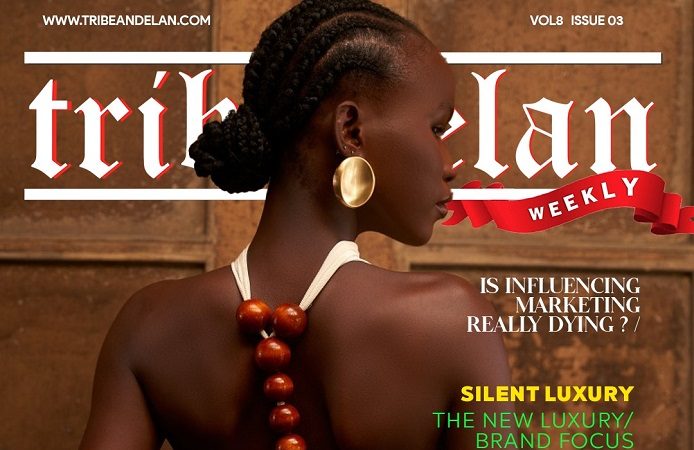
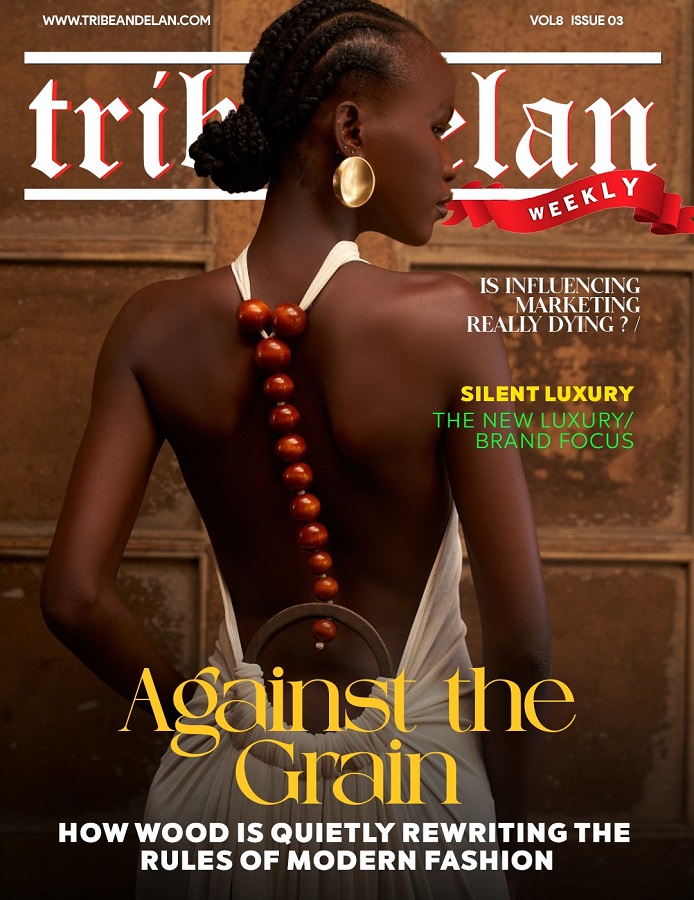
There is something deeply primal about wood. Long before it found its way onto runways and into design ateliers, it was the material of survival — carved into tools, built into homes, shaped into the walking stick that steadied generations of elders across continents. That same walking stick, once purely functional, has since evolved into a lifestyle statement — reimagined as sculptural culinary pieces, decorative objects, and now, unmistakably, fashion.
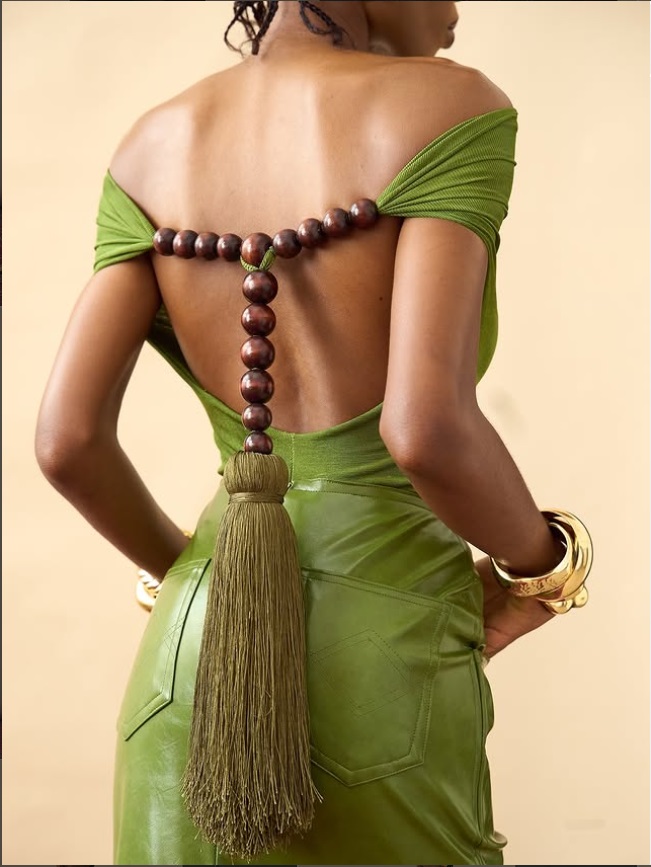
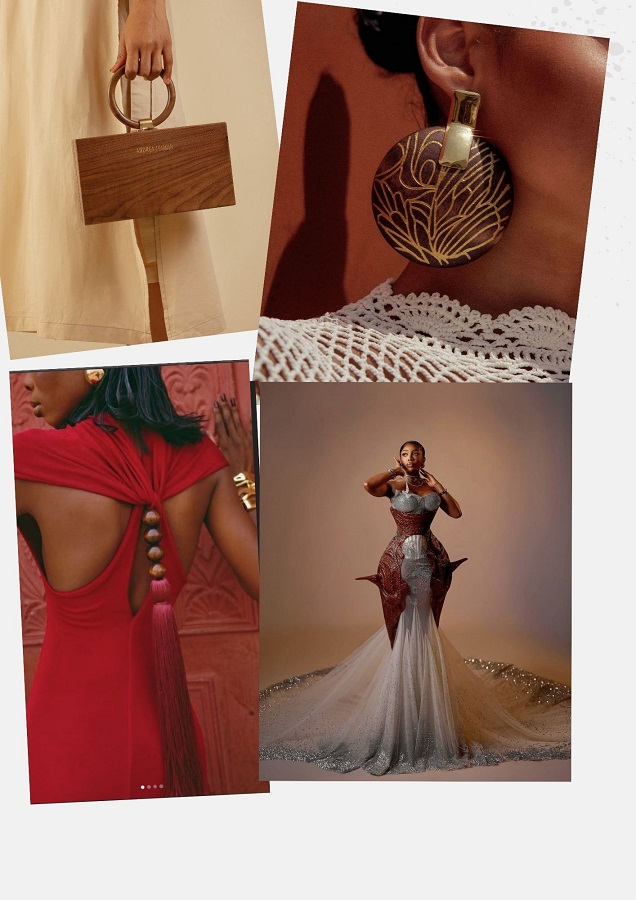
The shift has been quiet but deliberate. Wood is no longer content to sit at the periphery of style as a footnote accessory. It is moving to the centre, threading itself into the very construction of what women wear. Designers are now pressing it into buttons that fasten linen co-ords, boning corsets with carved wooden structures, and laser-cutting it into fabric overlays that blur the line between textile and timber.
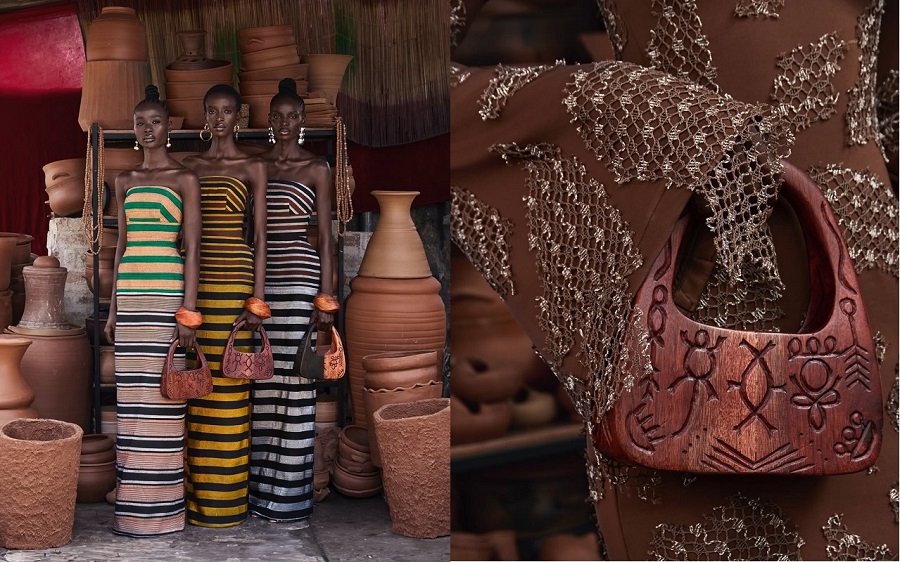
Nigerian brands are leading this conversation with particular confidence. Hertunba’s engraved wooden bags have become collector pieces — each one telling a story through hand-detailed motifs that feel as much like art as they do like fashion. Andrea Iyamah, celebrated for her bold, sensuous design language, has woven wood into her accessories through statement earrings that carry the weight of craft and cultural pride in equal measure.
What unites these expressions is intentionality. Wood in fashion is not a gimmick — it is a reckoning with material, memory, and meaning. In a landscape saturated with synthetic fabrics and fast production, the grain of wood offers something increasingly rare: permanence. What is driving this moment is more than aesthetics. Consumers are increasingly demanding transparency in materials and production, and wood answers that call directly — offering traceability, longevity and a reduced environmental footprint compared to plastics and synthetics.
Fashion has always borrowed from nature. The difference now is that it is finally giving something back.
What this moment confirms is that fashion’s most exciting frontier is not always synthetic or futuristic. Sometimes it is rooted — carved, grained and shaped by hand — in something far older than the industry itself.
What this moment confirms is that fashion’s most exciting frontier is not always synthetic or futuristic. Sometimes it is rooted — carved, grained and shaped by hand — in something far older than the industry itself.
Cover image – Anko