
Lagos Fashion Week’s Green Access 2026 Signals a Shift from Creativity to Capability

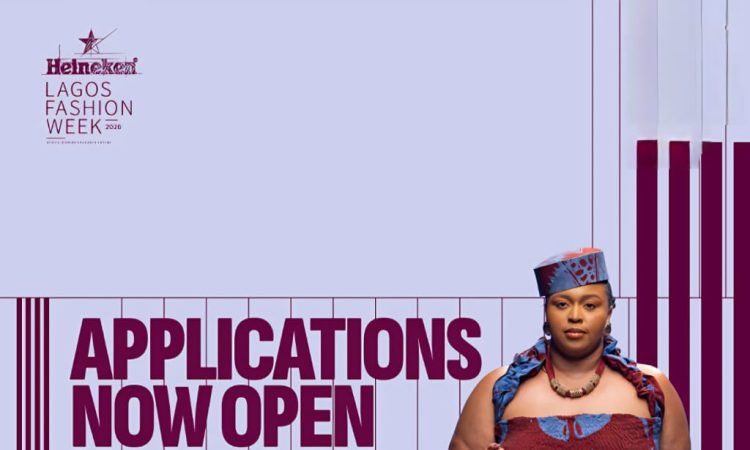
– Green Access 2026 suggests Nigeria’s fashion future will depend less on runway visibility and more on building competitive businesses.
For years, Nigerian fashion has enjoyed global recognition for its creativity, bold aesthetics and cultural influence. Yet many promising brands continue to face the same challenge: turning creative excellence into sustainable, profitable businesses. The launch of Green Access 2026 by Lagos Fashion Week suggests the industry’s priorities are beginning to change.
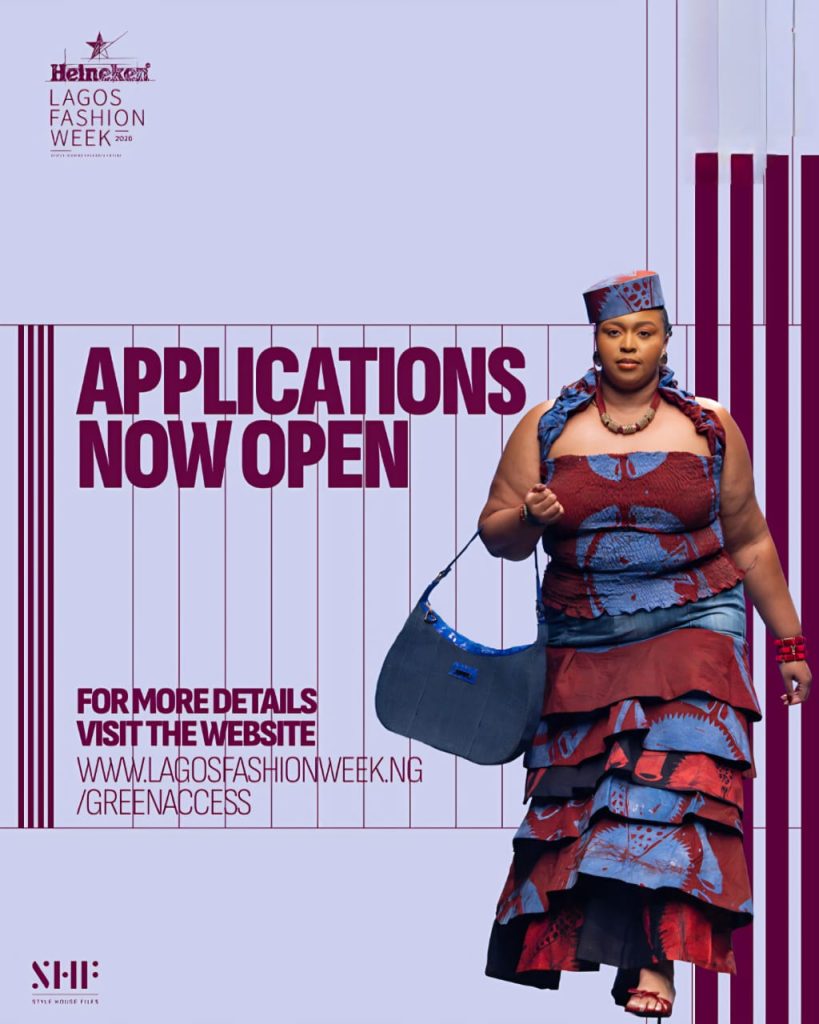
Applications are now open for the programme, which offers emerging designers training in circular fashion, artisan collaboration, manufacturing, business development and communications. Participants will also take part in a textile residency in Ghana before presenting their collections at Lagos Fashion Week 2026. While the initiative is rooted in sustainability, its broader significance lies in helping designers build stronger businesses rather than simply stronger collections .
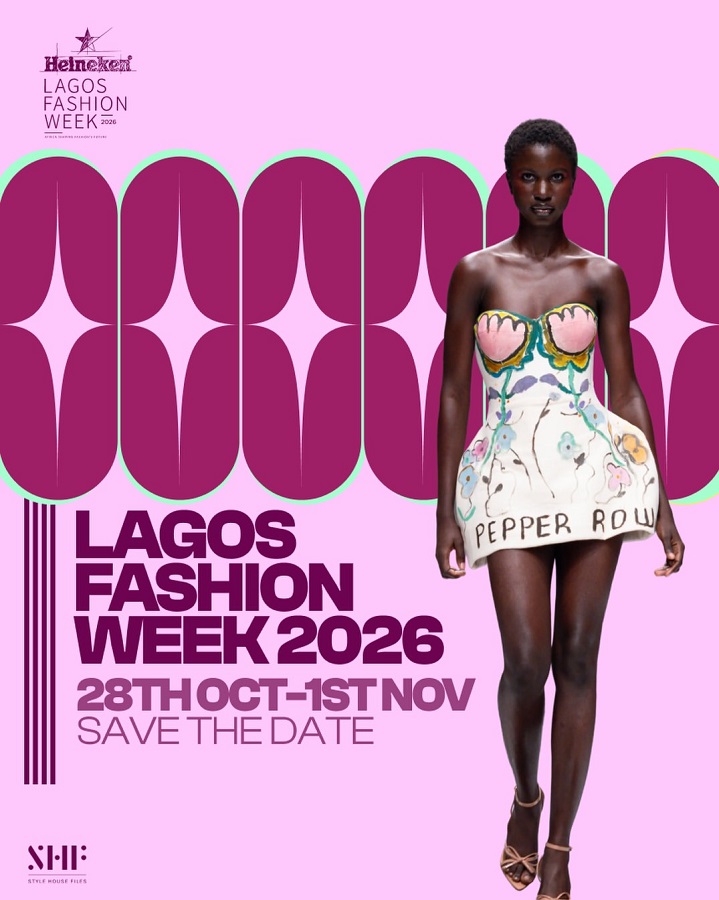
Increasingly, success in fashion will depend not only on originality but also on production capacity, supply-chain efficiency, commercial planning and market readiness. Nigerian designers have demonstrated they can capture attention on the runway; the next challenge is building brands that can consistently produce, distribute and scale . Hence , the emphasis is shifting from fashion shows as standalone spectacles to fashion platforms that actively develop industry capability. It is an indication of where the Nigerian fashion industry is heading. As global buyers and consumers increasingly value transparency, sustainability and reliable production, the brands that invest in operational excellence alongside creativity will be best positioned to compete.
The future of Nigerian fashion may be defined not only by what is designed, but by how effectively it is made, marketed and delivered.