
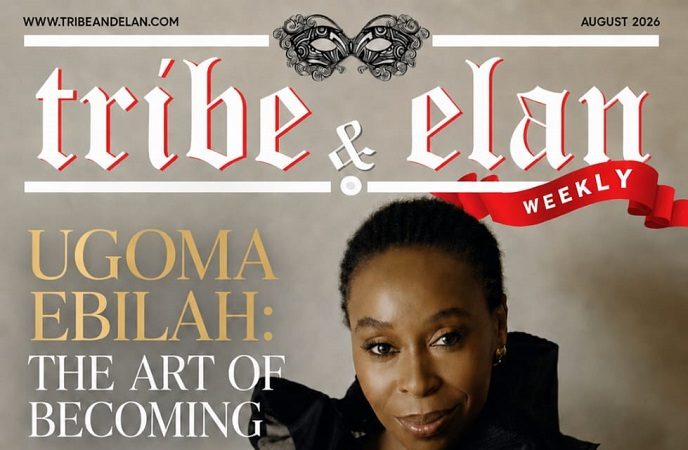
Ugoma Ebilah: The Art of Becoming Ugoma Ebilah

From Zebra Living to the Art of Cultural Influence
Before Ugoma Chinelo Ebilah became one of the distinctive voices shaping Africa’s contemporary art ecosystem, she was already building a reputation for understanding style, commerce and culture. Her first major creative chapter began with Zebra Living, the fashion label she launched in 2008, which quickly became one of the most sought-after Nigerian lifestyle brands of its generation.
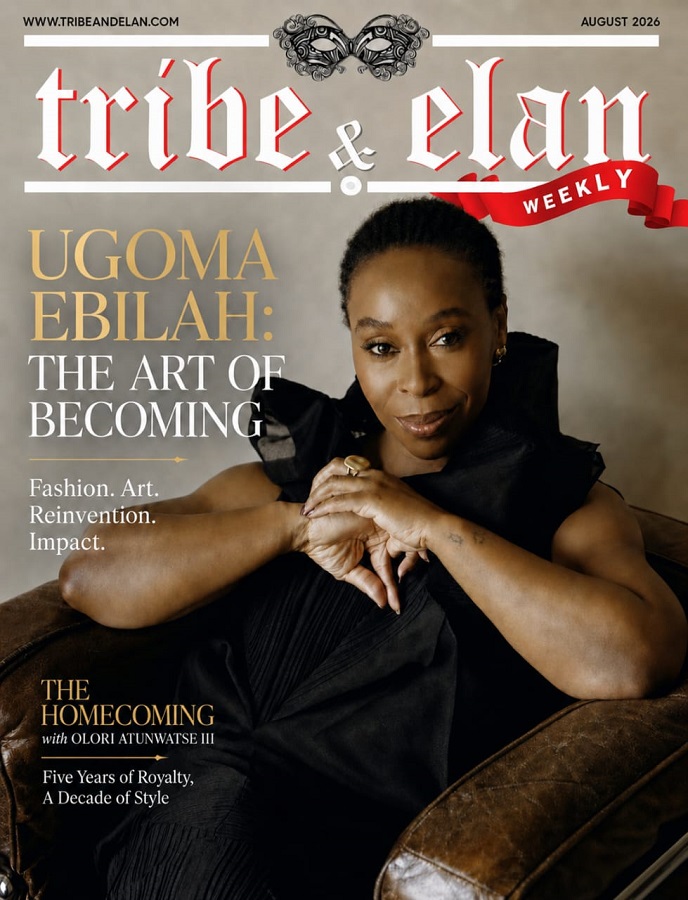
Coming from a background in economics, business and corporate finance, Ebilah brought an unusual commercial intelligence to fashion. Zebra Living was conceived as accessible, contemporary clothing for the modern Nigerian woman—easy, sophisticated and distinctly African without being burdened by convention. Its fluid dresses, versatile separates and relaxed silhouettes resonated with a generation looking for clothes that could move with Lagos life.
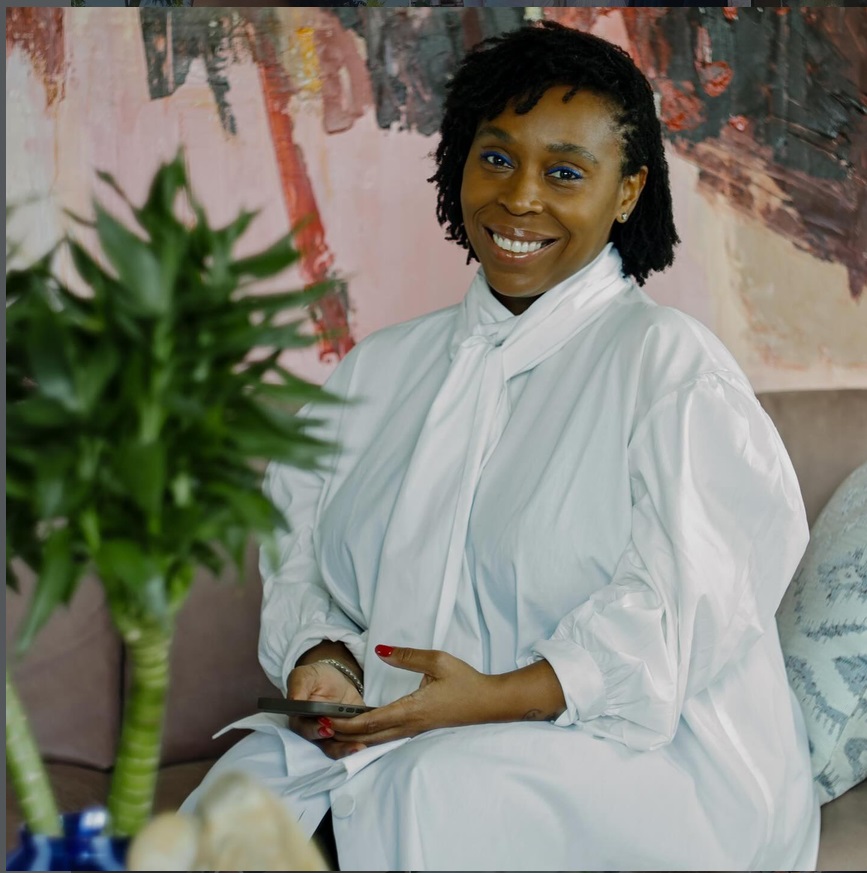
But Zebra Living was never simply about clothes. Through The Life House, Ebilah created an environment where fashion could coexist with art, literature and music. In retrospect, it was an early indication of what would become the defining thread of her career: the belief that creative disciplines do not exist in isolation.
With more than 20 capsule collections produced within six years, Zebra established Ebilah as not merely a designer but a cultural entrepreneur. Her experience gave her a rare understanding of how to build audiences around creative work—and, importantly, how to turn culture into a sustainable ecosystem.
Her transition into contemporary African art therefore felt less like a departure than an evolution.
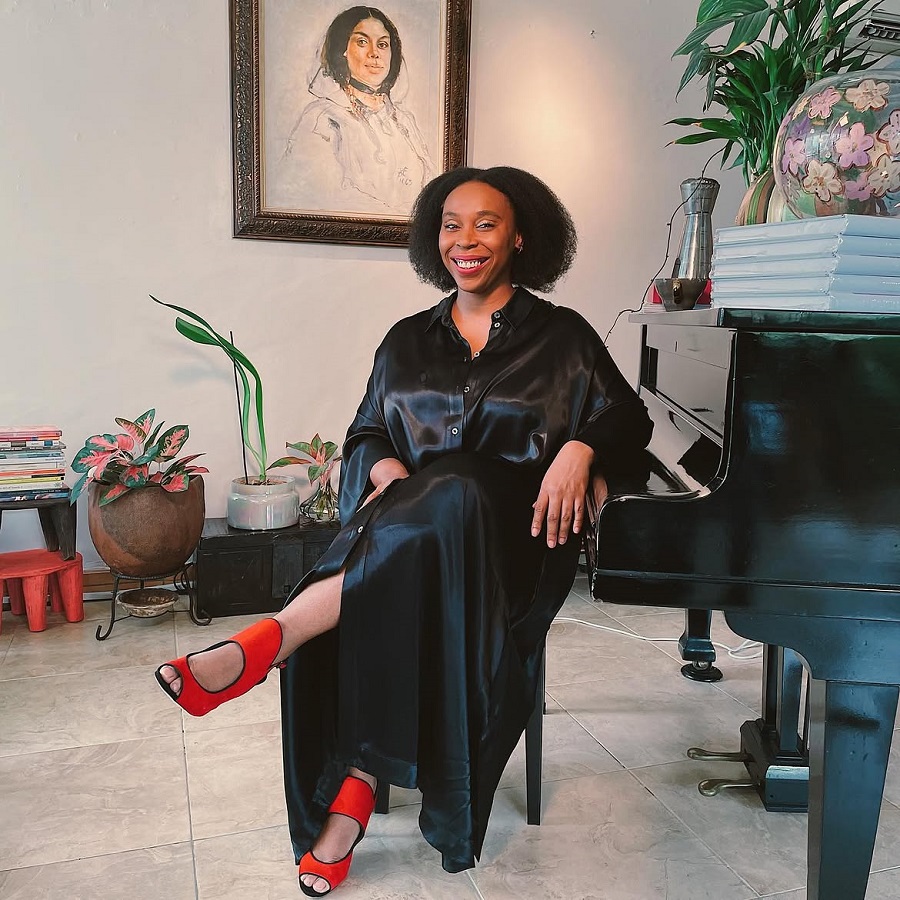
Through her work directing BLOOM Art and subsequently establishing Mbari Kola ( in Ikoyi, Lagos, is widely described by media and its founder as Nigeria’s first private members’ arts club and boutique cultural institution ) , Ebilah moved from designing what people wore to creating platforms through which they could encounter, collect and engage with African art. Her contribution has been particularly significant in expanding the conversation around contemporary African creativity beyond the traditional gallery framework, creating spaces where art, design, fashion, architecture and social experience intersect.
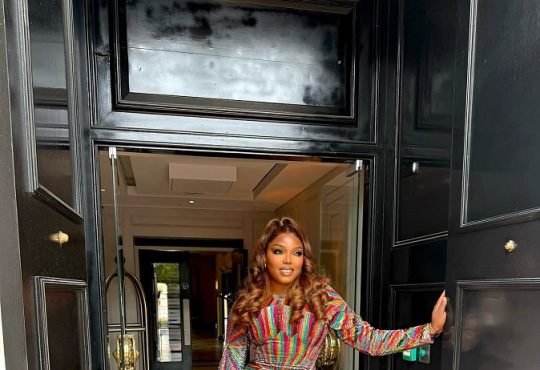
There is also a striking continuity between the woman and the work. Ebilah‘s personal style is an exercise in Afro-centric minimalism, eclectic elegance and artistic functionalism. Think easy, pleated dresses with an Issey Miyake sensibility, structured shirts, shift silhouettes and effortless separates. Her beauty follows the same philosophy: an almost no-makeup glamour, punctuated by her signature red lipstick. Nothing appears overworked; every element feels deliberate.
Perhaps that is the clearest expression of Ebilah‘s influence. Whether through fashion or art, she has consistently championed the idea that African creativity can be sophisticated without losing its soul, contemporary without abandoning its history, and commercially viable without surrendering its cultural intelligence.
Her journey from Zebra Living to the African art world of Mbari Kola is therefore not a story of reinvention. It is a story of continuity—of a woman who has spent her career understanding how style becomes culture, and how culture becomes legacy.